Blog ·
Understanding What Damages Your Vehicle's Paint
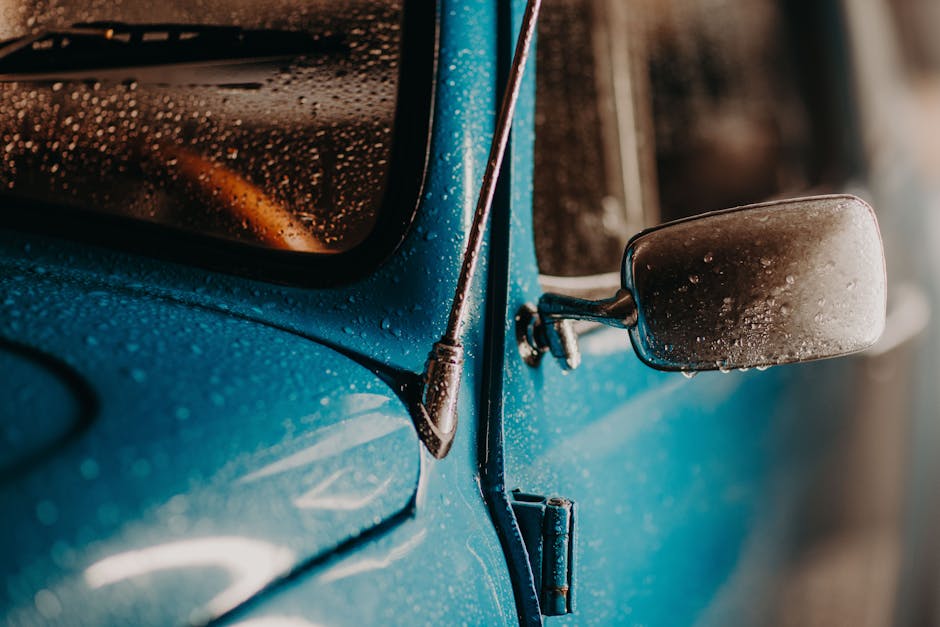
Your vehicle's paint is under constant attack from environmental hazards you might not even notice. By understanding what threatens your finish, you can take proactive steps to protect it.
Ultraviolet Rays and Oxidation
The sun's ultraviolet rays are among the most damaging agents to your paint. UV exposure doesn't just fade color—it breaks down the chemical bonds in the clear coat and paint layers. This degradation happens gradually, but over time it leads to oxidation, chalking, and a dull appearance. Even on cloudy days, UV rays penetrate clouds and damage your finish.
Organic Contaminants
Bird droppings and tree sap are surprisingly corrosive. When these substances sit on your paint, they become increasingly acidic. The longer they remain, the deeper they etch into the clear coat. What starts as a surface contaminant can become permanent damage if not addressed quickly. Insects, too, leave acidic residue that can damage paint.
Road Salt and Brake Dust
Road salt, especially in winter climates, accelerates corrosion and paint damage. Salt is hygroscopic, meaning it absorbs moisture from the air. This creates an electrolytic reaction that eats away at clear coat and paint. Brake dust particles contain metal fragments that bond to your finish and create microscopic scratches.
Industrial and Environmental Fallout
Industrial fallout—particles from factories, diesel exhaust, and brake dust—constantly settle on your vehicle. These contaminants become embedded in your clear coat, creating a rough surface that looks dull and traps moisture against the paint.
Improper Washing and Detailing
Improper washing contributes to damage too. Using harsh soaps, dirty wash mitts, or rubbing vigorously scratches the surface. Even automatic car washes with brushes can leave swirl marks and scratches. Water spots develop when mineral-rich water droplets dry on your finish. The minerals oxidize and bond to the paint, leaving permanent marks if not removed promptly.
Poor detailing habits also damage paint. Applying wax with circular motions creates swirls. Using cheap products with large abrasive particles scratches the finish. Incorrect buffing technique during removal creates damage rather than protection.
Your vehicle's paint faces daily challenges. Understanding these threats helps you develop a protection strategy. Whether through protective coatings, regular washing, or professional detailing, taking action now prevents costly damage later. A well-maintained finish preserves your vehicle's appearance and protects the underlying metal from corrosion.