Blog ·
Your Vehicle's Location and Paint Protection: A Guide to Environmental Threats
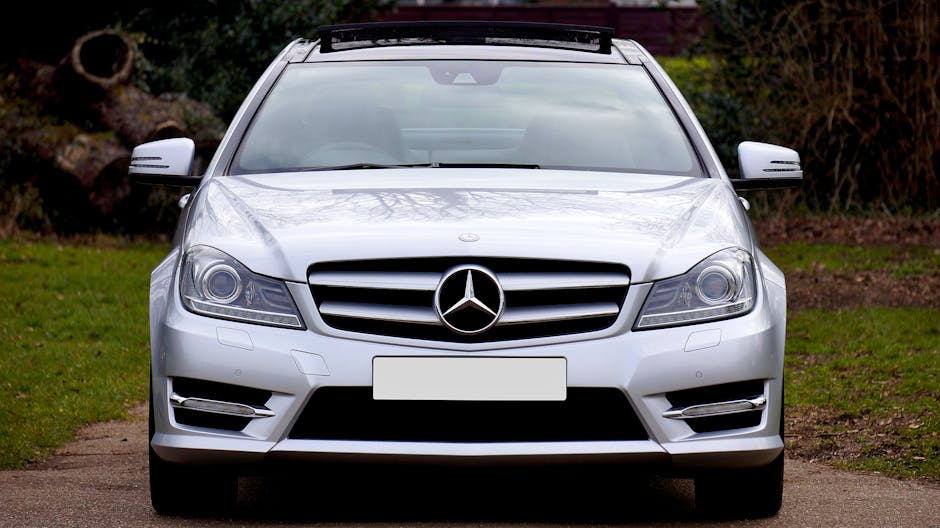
Where your vehicle is parked and driven matters significantly more than many car owners realize. Different locations expose your paint to different environmental threats, and understanding these risks helps you choose the right protection strategy. Your vehicle's location directly influences which detailing and protection services will benefit it most, and recognizing these threats is the first step toward preserving your finish.
Urban Environments and Traffic Contaminants
If you spend most of your time driving in cities, your paint faces constant bombardment from brake dust, industrial fallout, tar deposits, and acidic contaminants from vehicle emissions. These particles settle onto your clear coat and bond chemically, creating etching that regular washing simply cannot remove. This is where professional exterior detailing becomes essential—it removes embedded contaminants before they cause permanent damage to your finish. Following up with ceramic coating creates a protective barrier that prevents future contaminant bonding and makes regular maintenance easier.
Coastal Locations and Salt Exposure
Salt spray from ocean air corrodes paint, metal trim, and your vehicle's undercarriage. The combination of salt, high humidity, and UV radiation accelerates oxidation dramatically compared to inland environments. If you live near the coast, you've likely noticed your vehicle's finish deteriorating noticeably faster than vehicles parked in other locations. Ceramic coating is particularly valuable in coastal areas because it creates a hydrophobic seal that repels saltwater and prevents direct contact with your clear coat. This protection extends the life of your paint significantly.
Desert and High-Altitude Conditions
Vehicles in desert regions and high-altitude areas face intense, prolonged UV radiation. The sun's rays are more potent at higher elevations, and the dry air intensifies oxidation. Bird droppings, mineral deposits from dust storms, and tree sap cause rapid paint damage in these environments. Regular exterior detailing removes these contaminants before they etch deeper into your clear coat, while ceramic coating provides the UV protection that traditional wax cannot offer.
Wooded and Humid Locations
Vehicles in wooded and humid areas face different challenges. Pollen, tree sap, and organic matter accumulate on exterior surfaces and cause paint damage. Interior moisture creates an environment where mold and mildew develop in your cabin. This location requires both exterior detailing to protect your paint and interior detailing to preserve your upholstery, dashboard, and trim from moisture and contamination.
Creating a Protection Strategy for Your Environment
The key is recognizing that location-specific environmental threats require customized protection strategies. Exterior detailing removes the damage these conditions create, while ceramic coating provides ongoing defense against future exposure. Interior detailing ensures your cabin stays protected from the moisture and contamination your specific location produces.
You cannot change where you park and drive, but you can control how well your vehicle's finish is protected. Understanding your location's specific environmental threats and combining professional detailing with ceramic coating protection is how you preserve your vehicle's flawless finish for years to come.